Four is an age where children want to do things themselves, but still benefit from an activity that’s set up to succeed — enough structure to get started, and enough openness to make it their own. The ideas below are grouped by the kind of play a four-year-old typically gravitates toward, so you can match the activity to the mood of the day.
Creative play
Torn-paper collage. Tearing paper (rather than cutting) is genuinely satisfying at this age and builds hand strength. Provide a few colors of scrap paper, a glue stick, and a plain sheet, and let your child tear and arrange freely — there’s no wrong result.
Sticker story scenes. A sheet of stickers and a large piece of paper are enough for a child to build and narrate their own scene, which is often a good lead-in to talking about their day.
Painting with unusual tools. Cotton balls, forks, or sponges make painting feel new again without needing new paint. Clip the paper down or paint outside if mess is a concern.
Movement
Animal walk relay. Call out an animal (crab walk, bunny hop, waddle like a penguin) and have your child move that way across the room. This burns energy in short, contained bursts, which suits a four-year-old’s attention span well.
Balloon keep-it-up. Keeping a balloon off the ground with hands only is trickier than it sounds and holds attention for longer than most parents expect.
Simple dance freeze game. Play music and freeze it at random intervals — a reliable way to get sustained physical activity indoors with almost no setup.
Learning
Letter and number scavenger hunt. Write a few letters or numbers your child is currently learning on sticky notes, hide them around a room, and have your child find and name each one as they collect it.
Sorting by color, size, or shape. A pile of mixed toys or household objects (buttons, blocks, socks) sorted into groups builds early categorization skills, and most four-year-olds enjoy the “cleanup that’s actually a game” framing.
Simple pattern building. Using blocks or crayons, start a repeating pattern (red, blue, red, blue) and ask your child to continue it, then let them create their own pattern for you to guess.
Sensory play
Water transfer station. Two bowls, some water, and a turkey baster or measuring cup make a simple pouring station that’s genuinely absorbing for a four-year-old, ideally set up over a towel.
Shaving cream table art. A thin layer of shaving cream spread on a table (or a tray, if you’d rather not use the table) can be drawn in with a finger, wiped smooth, and drawn in again.
Textured treasure box. Fill a shoebox with a few different textured items — a sponge, a cotton ball, a smooth stone, a piece of fabric — and let your child explore each one by touch, describing what they feel.
Independent play
Busy bag with a specific task. A small bag or box containing one focused task — threading pasta onto string, matching lids to containers, or a simple puzzle — can hold a four-year-old’s attention for a genuine stretch of independent time. The Ultimate Kids’ Activity Book — 25 Screen-Free Games & Puzzles is a ready-made version of this same idea, for a family that would rather grab a finished book than assemble a busy bag from scratch.
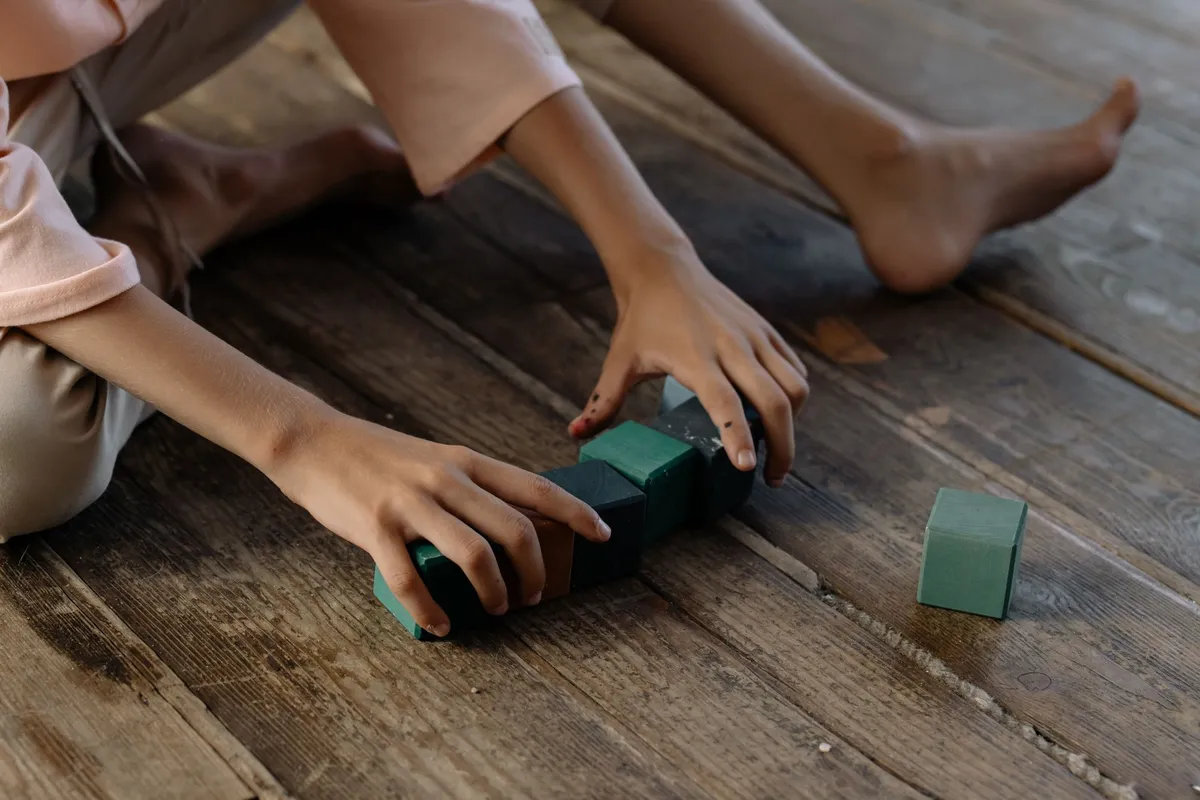
Building block challenge card. Draw or print a simple picture of a structure (a tower, a bridge, a simple house shape) and let your child try to build it from blocks on their own.
Sticker-by-number. A basic outline drawing with numbered sections and a corresponding sticker color for each number turns into a self-directed, low-mess project.
Simple household activities
Helping “set the table” for a pretend tea party. Real or play dishes, a stuffed animal or two as guests, and a few minutes of your time to start it off usually turns into much longer independent pretend play.
Sock matching game. A basket of clean, mismatched socks to pair up is a genuinely useful household task that also works as an activity.
Watering the plants. A small cup of water and a job that feels real and important is often more engaging to a four-year-old than a toy designed specifically to entertain them.
For more ideas across a wider age range, see the full Rainy Day Activities for Kids, by Age guide, and for screen-free options specifically, see Screen-Free Boredom Busters for Kids.
Frequently asked questions
How long will a four-year-old stay focused on one activity?
Most four-year-olds engage with a single activity for ten to twenty minutes before needing a change of pace, though open-ended play like building or pretend play can often run longer without adult involvement.
Which of these activities work without any adult help?
The independent-play and simple household activities sections above are designed to run with only occasional check-ins, once you’ve set them up. The others benefit from a parent or caregiver being nearby, at least at the start.