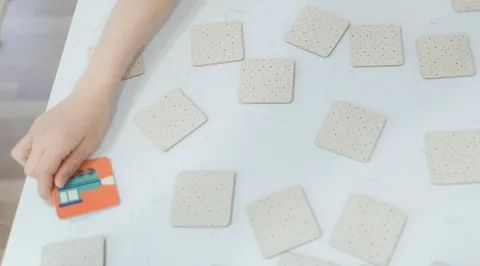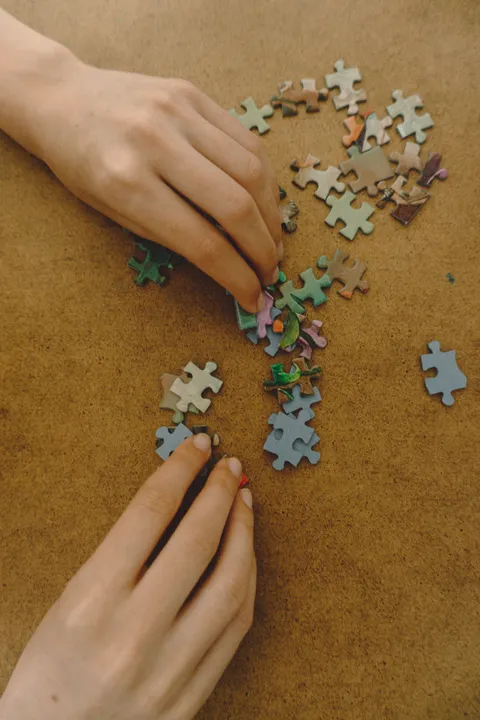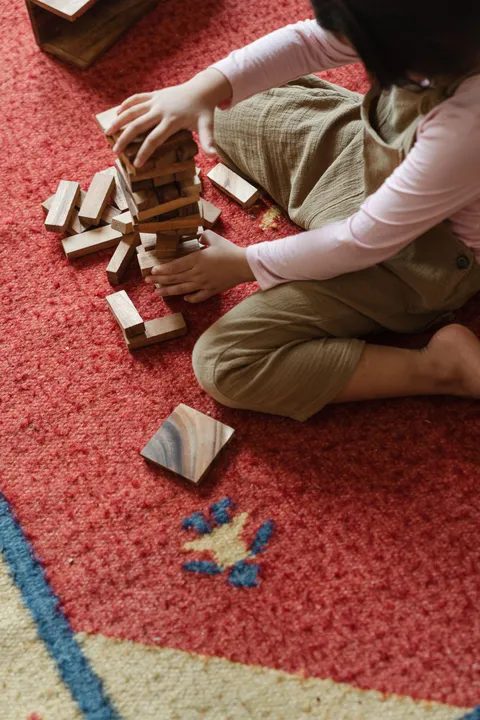
Critical thinking sounds like an adult skill, but children use it every time they ask “why?”, test an idea or explain how they solved a puzzle. As parents and teachers we can help by asking better questions and giving children chances to reason, not just to recall facts.
This guide focuses on practical critical thinking activities for kids by age, with a few everyday habits that cost nothing. It complements our broader guide to logic and problem-solving activities for kids, with more emphasis on questions and reasoning.
What do we mean by critical thinking?
In simple terms, critical thinking involves:
- Asking questions about what you see and hear
- Giving reasons for an idea or choice
- Comparing options and noticing similarities and differences
- Checking whether something makes sense or is supported
- Changing your mind when you learn something new
None of this needs a special program. It grows through conversation and play, and every child develops at their own pace.
Questions that start thinking
These open questions work at any age. Try them at dinner, in the car or while reading:
- “How do you know?”
- “What else could it be?”
- “What would happen if…?”
- “Can you explain it another way?”
- “What is the same? What is different?”
- “What do you think will happen next, and why?”
Around age 5: concrete and playful
Younger children think best with real objects and short games.
- Odd one out. Show three or four objects, such as a spoon, a fork, a sock and a knife, and ask which does not belong and why. There may be more than one right answer, as long as the reason makes sense.
- Sorting. Give a pile of buttons, blocks or leaves and ask your child to sort them. Then ask them to sort in a different way.
- What would happen if? Ask playful questions like “What would happen if it rained upwards?” There are no wrong answers; the goal is imagining and explaining.
- Spot the difference. Compare two similar pictures and describe the changes in words.
- Story detective. While reading, pause and ask, “Why do you think she did that?”
Keep sessions to a few minutes, and join in as a partner.
Around age 8: reasons and comparing
By eight, many children can handle more steps and explain their thinking.
- Riddles and brain teasers. Simple riddles encourage children to hold clues in mind. Ask them to explain how they reached the answer.
- Small logic puzzles. Try a grid puzzle with three or four clues. Let your child try it before offering help.
- Two-sided debate. Pick a light topic, such as “Is a sandwich better than a pizza?”, and ask your child to give two reasons. Then swap sides. This builds the idea that there can be more than one viewpoint.
- Plan a project. Ask your child to plan a snack, a small party or a garden bed, listing what they need and the steps. Talk about what might go wrong.
- Fact or opinion? Read a short passage and underline what is a fact and what is someone’s opinion.
Around age 10: evidence and viewpoints
Older children can begin to question sources and weigh evidence.
- Compare sources. Look at two short articles or videos about the same topic. How are they similar? How do they differ? Who made them, and why?
- Spot persuasion. Look at an advertisement together and ask, “What is this trying to make you feel or do?”
- Strategy games. Board games such as simple strategy games encourage planning, predicting and adjusting. Talk about why a move worked or did not.
- Design challenge. Give a problem, such as “Build a bridge from paper that holds ten coins,” and let your child test and improve. Supervise any use of tools. Our guide to STEM activities that build problem-solving skills has more ideas.
- Explain it back. Ask your child to teach you something they have learned, and have you ask questions.
Everyday habits that help
- Let children struggle a little. Offer hints rather than answers.
- Praise reasoning, not just right answers. Say “I like how you explained that.”
- Model your own thinking. Say aloud, “I’m not sure, so I’ll check.”
- Welcome mistakes. Treat them as clues.
- Limit quick answers from devices. Sometimes ask your child to predict first, then look up the answer together.
Printable practice
Once a child is comfortable talking through ideas, puzzle workbooks can provide quiet practice with patterns, sorting and sequences. Advanced Logic & Problem Solving: Skill Practice Workbook is a 15-page printable workbook for ages 6–7 featuring pattern recognition, mazes, memory, observation, sorting, sequences, puzzles and classification. For a wider age range, Brain Games for Kids — Printable Activity Workbook is a printable workbook for ages 4–10 with puzzles, mazes, matching games, pattern recognition, spot the difference and logic challenges. After each page, ask your child to explain how they solved it. For more ideas you can do without paper, see our collection of brain games for kids to play at home.
Safety and wellbeing notes
- Supervise any hands-on building or use of scissors and tools.
- Keep challenges at the right level. If your child is frustrated, make it easier and build up again.
- Avoid turning debates into arguments; remind children that the goal is to understand, not to win.
- If you have concerns about your child’s learning, speak with their teacher or a qualified professional.
Frequently asked questions
What are critical thinking activities for 5 year olds?
Odd-one-out games, simple sorting, ‘what would happen if’ questions, spotting what is different in two pictures and talking through why a character in a story made a choice all suit this age. Keep them short and playful.
What are good critical thinking activities for 8 year olds?
Try riddles, logic grid puzzles with few clues, comparing two sources of information, planning a small project and debating light-hearted questions where each side has to give reasons.
How do I teach critical thinking to a 10 year old?
Encourage them to ask how we know something, to compare sources, to notice when an advertisement is trying to persuade and to explain their reasoning out loud. Games like strategy board games also give practice at planning and adapting.
Are there printable critical thinking activities?
Yes. Puzzle and logic workbooks with mazes, patterns, sorting and matching pages can add quiet practice. They work best alongside conversation, where you ask your child to explain their thinking.