Five is a sweet spot. Children this age can follow rules, keep at a task for longer and want to do “big kid” things, yet they still love play. The best activities for 5 year olds at home treat them as capable helpers and thinkers while keeping the fun front and center.
Here are ideas across five types of activity, so you can mix them across the week.
Creative activities
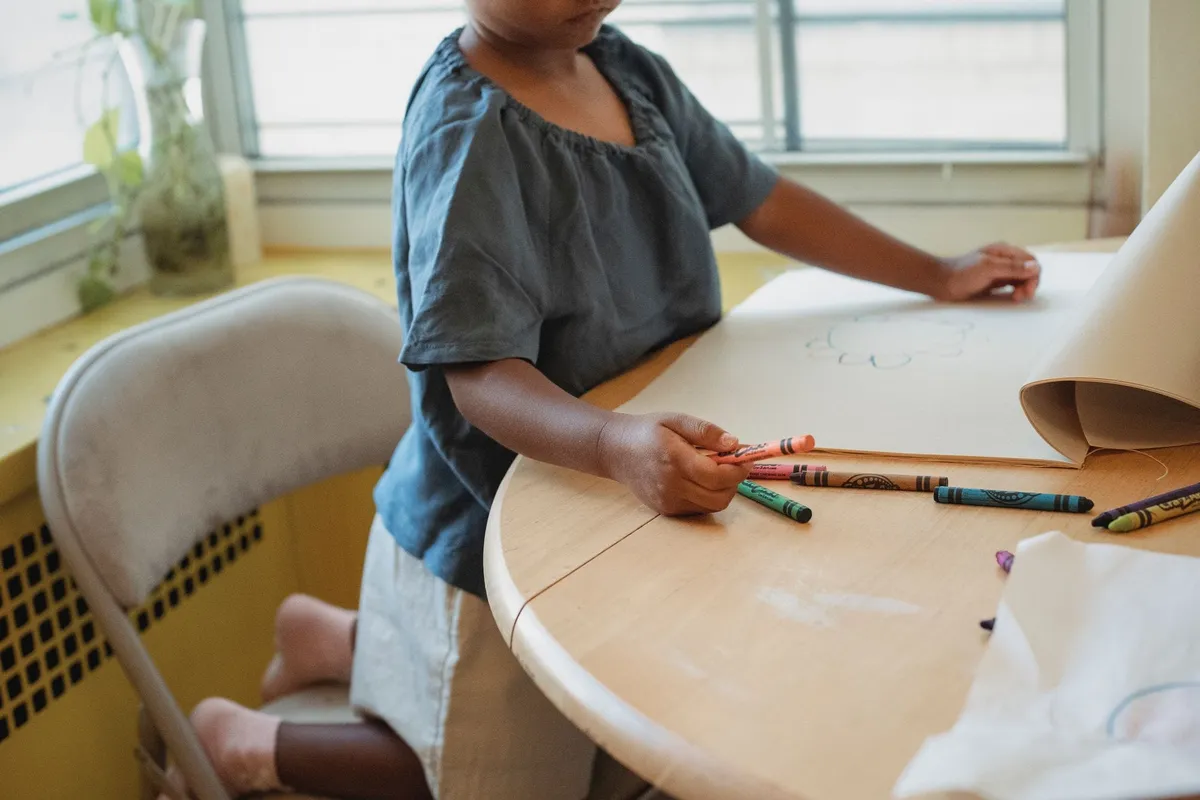
Comic strip storytelling. Fold a sheet of paper into six boxes and ask your child to draw a story with a beginning, middle and end. Have them “tell” the comic to you afterward.
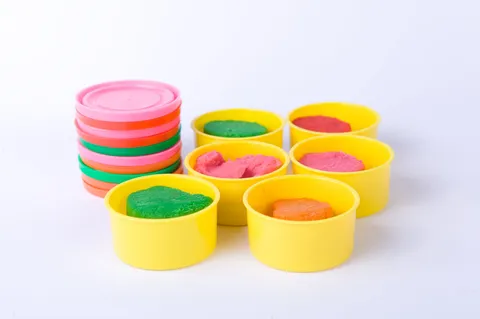
Clay or dough creatures. Give them a challenge card: “Make an animal that lives in the ocean.” Add loose parts such as buttons for eyes if your child no longer puts small items in their mouth.
Recycled box city. Collect cardboard boxes and tubes, and let them build a city with tape, markers and construction paper.
Nature collage. Collect leaves, petals and twigs on a walk, then glue them onto cardboard to make a picture.
Puppet show. Paper bag or sock puppets, a blanket draped over two chairs, and a family audience.
Early reading and math games
Sight-word hopscotch. Write simple words on paper squares, lay them on the floor and have your child read each word before hopping on it.
Rhyme matching. Pick a handful of simple objects and have your child match ones that rhyme (cat and hat). This builds phonemic awareness.
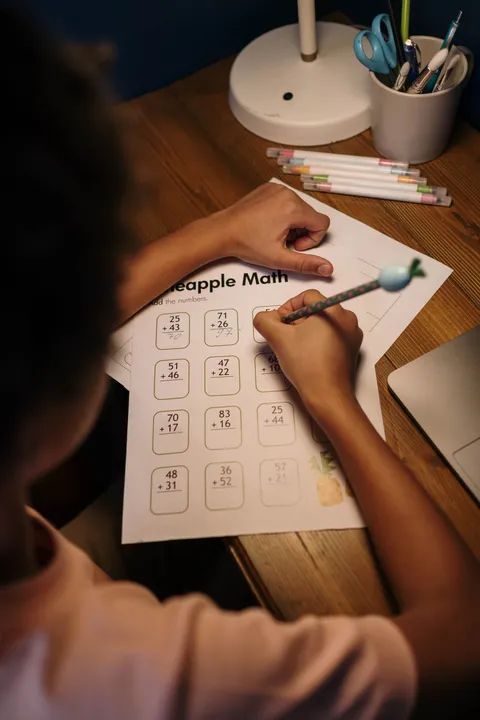
Roll and add. Roll two dice, count the dots, add them up, and write the answer. Use one die to keep it simpler.
Shop and count. Set up a pretend shop with price tags of 1 to 10 “coins” and let your child pay with pennies or paper coins.
Letter sound hunt. Choose a letter and have your child find five things in the house that start with that sound.
Our guide to kindergarten at home breaks down which early reading and math skills to build.
Active play
Indoor obstacle course. Pillows to leap, painter’s tape lines to balance on, a table to crawl under. Time your child, then invite them to beat their own record.
Yoga adventure. Poses named after animals (cat, cobra, frog, tree) make a good calm-down or morning stretch.
Bean bag toss. Rolled-up socks and a laundry basket at different distances build aim and coordination.
Scavenger hunt with clues. Write or draw simple clues that lead from one hiding place to the next, ending at a small surprise.
Helping in the kitchen
Five-year-olds are ready for real tasks with supervision, and children who help make food are often more willing to try it.
- Washing fruits and vegetables in a colander.
- Measuring and pouring dry ingredients into a bowl.
- Stirring batters and doughs.
- Spreading with a butter knife or spoon.
- Setting the table and counting the spoons.
Always keep sharp tools, hot surfaces and allergens under adult control.
Independent play
Five is often the age where genuine independent play begins. To help it along:
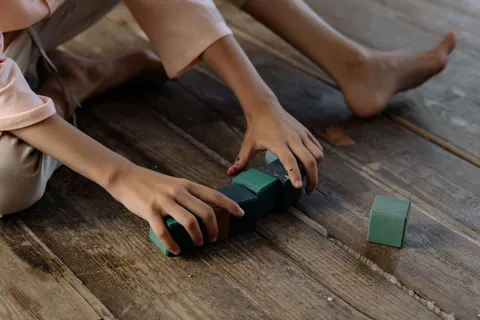
Set up a challenge. “Build a tower as tall as you can, then a bridge for your toy car” is more inviting than “go play.”
Provide a task with a beginning and end. Puzzles, mazes, dot-to-dots and matching pages all have a clear finish, which children this age find satisfying. A printable like The Ultimate Kids’ Activity Book — 25 Screen-Free Games & Puzzles is made for ages 4 to 8 and gives a stack of these in one place.
Try brain teasers. The Brain Games for Kids printable workbook includes puzzles, mazes, matching and pattern activities for ages 4 to 10, so a single printout can carry over several days.
Use a timer. “Work on your maze until the sand timer runs out, then show me” gives structure and a natural check-in.
A simple weekly plan
You don’t have to plan every day. Try picking one activity from each category, then repeat what your child loves:
| Day | Focus |
|---|---|
| Monday | Creative project |
| Tuesday | Reading and math game |
| Wednesday | Active play |
| Thursday | Kitchen helper |
| Friday | Independent play and free choice |
Tips for success
Let them teach you. Ask your child to explain the rules of a game or how they solved a puzzle. Explaining strengthens understanding.
Keep sessions short. Fifteen to twenty minutes per activity is usually enough, and shorter is fine.
Accept mess and imperfection. Five-year-olds are still building control. The process matters more than a tidy result.
Follow interests. A child fascinated by dinosaurs will count, read and draw more willingly when the activity is dinosaur-themed.
For more ideas on filling long days, our screen-free boredom busters guide has quick options for every mood.