The school day is a lot for a child: rules to follow, noise, social effort, sitting still. By 3:30, many children come home tired, hungry and emotional. The most helpful after-school activities for kids at home begin with something that doesn’t ask anything of them.
Start with decompression, not questions
The moment children walk in, “How was your day?” can be too much. Many kids answer “fine” or fall apart. Try instead:
- A snack and a drink — hunger drives much after-school grumpiness.
- A short greeting and a hug or high five.
- 20 to 30 minutes of downtime — play, drawing, music or just lying on the couch.
- Questions later, at dinner or bedtime, when they’re more relaxed. Specific questions (“What was the funniest thing that happened?”) beat general ones.
A simple after-school routine
A predictable order helps everyone know what to expect:
- Snack and water.
- Movement or free play (20–30 minutes).
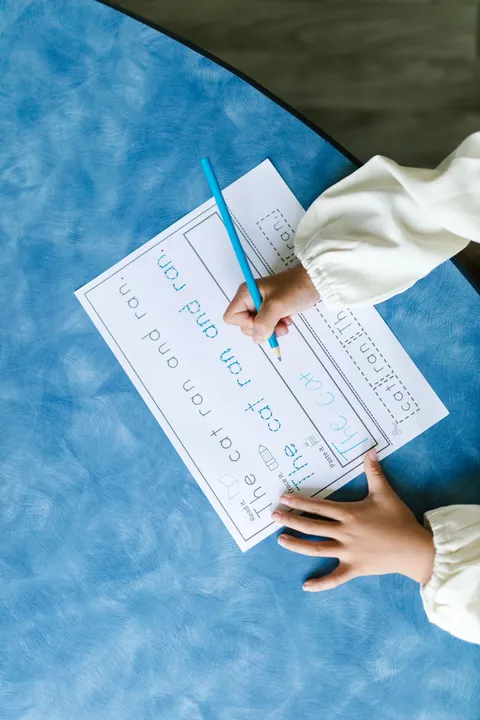
- Homework or reading (age-appropriate: 10–15 minutes for younger children).
- Choice time: activity basket, outside play, creative project.
- Help with dinner or a family chore.
- Screens, if any, in a planned slot.
Write or draw the routine and post it where children can see it. Our guide to teaching kids time management has tips for building routines children follow.
After-school activities by age
Ages 4–6
- Snack picnic on a blanket.
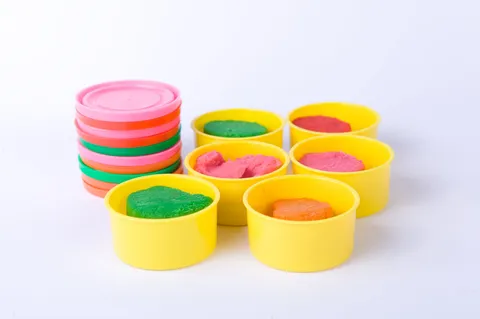
- Playdough or drawing for quiet decompression.
- Dancing or animal walks to burn off energy.
- Simple puzzles and pages, like mazes and matching.
- Read together for ten minutes.
Ages 7–9
- Outdoor play: bikes, scooters, basketball or jump rope.
- Board or card games.
- Build challenges with blocks or cardboard.
- Journal or comic-making.
- Cooking a simple recipe with help.
Ages 10 and up
- Independent reading or creative projects.
- Sports or an instrument.
- Time with friends in a supervised, screen-light setting.
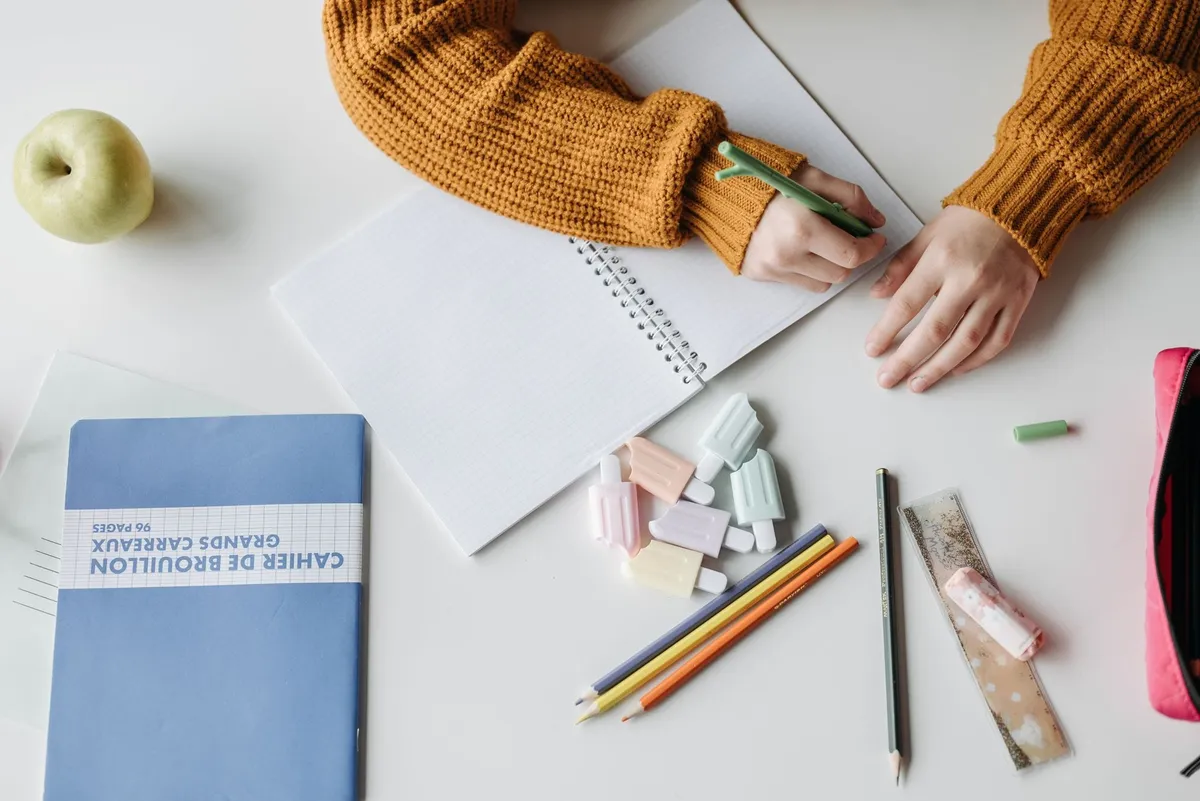
- A hobby time such as crafts, model building or drawing.
Movement matters
Children who sit all day usually need to move. Even 20 minutes of running, dancing or bike riding can improve mood and focus. If it’s raining, an indoor obstacle course or a dance party works; see our games to play at home with kids without equipment for ideas.
Homework help without a fight
- Choose a consistent spot with good light and few distractions.
- Break it up. Ten minutes of work, a two-minute break, then repeat.
- Sit nearby, but let them do the work. Answer questions, don’t do the task.
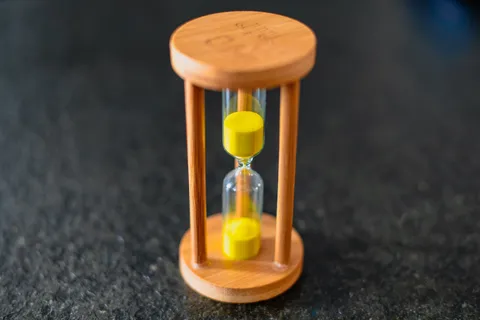
- Use a timer to help with focus.
- Ask what they need. Some children need a snack, others a break; asking teaches self-awareness.
Build an “after-school activity basket”
Tired children often say “I’m bored” because choosing takes energy. A basket or shelf of ready options removes the decision. Include:
- a few puzzles or brain games,
- art supplies,
- a couple of printable activity pages,
- a book or two,
- something to build with.
A printed workbook can be a convenient part of this. The Ultimate Kids’ Activity Book — 25 Screen-Free Games & Puzzles is designed for ages 4 to 8 and gives independent pencil-and-paper activities. For the routine itself, My Time-Smart Day: A Time Management Workbook is a 15-page printable for ages 6 to 7 that helps children practice planning their day with schedules and routines.
Managing screens
Decide in advance and tell your child when screens are part of the day, for how long, and what happens first. Consistent rules avoid daily negotiation. Then make screen-free time appealing with choices instead of just “no.”
When after-school meltdowns happen
Meltdowns after school are common: children hold themselves together for hours, then let go where it’s safe. If yours happens regularly:
- Add a snack and a quiet space first.
- Lower demands for a while.
- Give a hug and stay calm. They need a safe place, not a lecture.
- Talk about it later, when everyone is calm.
If distress is intense, lasts long, or worries you, talk with your child’s teacher or pediatrician.
Keep it light
You don’t need every afternoon to be productive or enriching. Some days, a snack, a couch and a book are exactly right. The aim is a home that feels like a soft landing.